
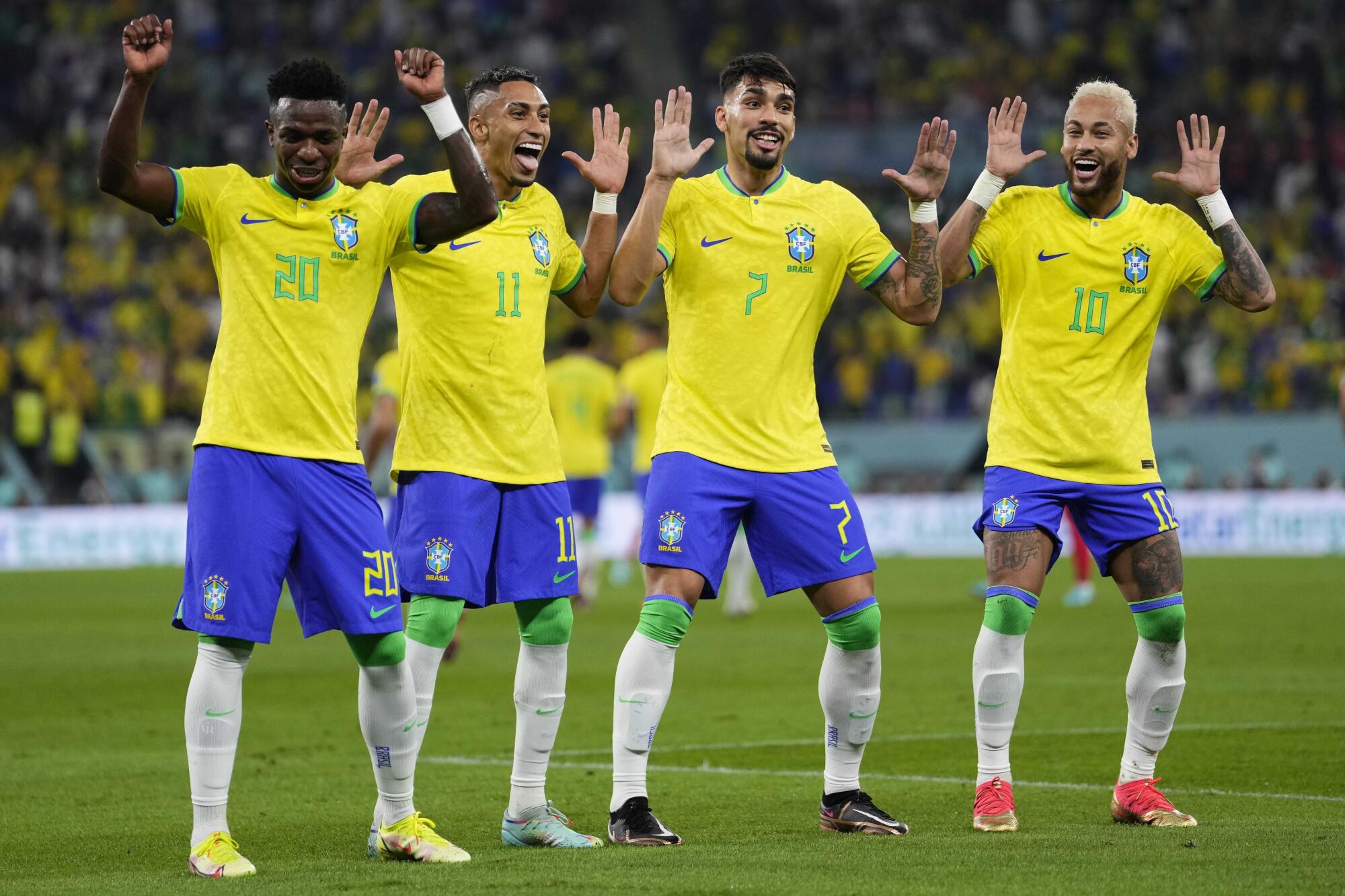
Brazil has consistently demonstrated its strength at the Olympic Games, blending athletic talent, rigorous training programs, and strategic planning. With 2025 shaping up as a critical year for preparation ahead of upcoming international competitions, Brazilian athletes and sports federations are focusing on maximizing their medal prospects. This article explores Brazil’s Olympic outlook and outlines the steps the country is taking to secure success.
Brazil’s Current Olympic Standing
Historically, Brazil has excelled in sports such as football, volleyball, judo, sailing, and athletics. Recent Olympic Games have shown a growing diversification of talent, with athletes achieving podium finishes in swimming, gymnastics, and mixed martial arts. The country is determined to build on this momentum for upcoming competitions.
Steps Brazil is Taking to Boost Medal Hopes
Brazil’s success at the Olympics is no accident. It is the result of systematic planning, investment, and training. Here are the key steps being implemented:
Step 1: Talent Identification and Development
Brazil has established a nationwide system for identifying young talent. From local clubs to national academies, scouts and coaches work to spot potential athletes early. These programs focus not only on physical ability but also on mental resilience, discipline, and tactical understanding.
Advantages:
- Ensures a steady pipeline of elite athletes.
- Reduces the risk of talent being overlooked in remote regions.
Step 2: Investment in Training Facilities
High-quality training facilities are crucial for Olympic preparation. Brazil has upgraded its sports infrastructure, including modern gyms, swimming pools, tracks, and indoor arenas. Many of these facilities also integrate sports science technologies such as performance analytics, biomechanical analysis, and recovery monitoring.
Advantages:
- Enhances athlete performance and reduces injury risk.
- Provides athletes with world-class environments to prepare for international standards.
Step 3: Specialized Coaching and International Collaboration
Brazilian federations are recruiting top-tier coaches and collaborating with international experts to optimize training programs. Exposure to different techniques, strategies, and competitive environments helps athletes gain a competitive edge.
Advantages:
- Elevates technical and tactical skills.
- Prepares athletes for high-pressure international competition.
Step 4: Participation in International Competitions
Brazilian athletes regularly participate in World Championships, Pan American Games, and other international tournaments to gain experience. Competing abroad exposes them to diverse opponents and helps refine strategies under competitive stress.
Advantages:
- Builds confidence and resilience.
- Provides valuable data to adjust training and tactics.
Step 5: Nutrition, Mental Health, and Recovery Programs
Modern Olympic preparation emphasizes holistic athlete care. Brazil has integrated nutrition planning, psychological support, and recovery programs to ensure athletes remain in peak condition. Mental health coaches work to prepare athletes for the pressures of Olympic competition.
Advantages:
- Maximizes performance potential.
- Reduces burnout and stress-related injuries.
Step 6: Support from Government and Sponsors
Strong backing from both public and private sectors ensures athletes have access to necessary resources. Scholarships, sponsorships, and funding for training and travel help remove financial barriers.
Advantages:
- Allows athletes to focus on performance without financial distractions.
- Encourages the development of underrepresented sports in Brazil.
Sports with High Medal Potential
Brazil is targeting several sports with historically strong Olympic performance:
- Football (Soccer) – Both men’s and women’s teams have a rich history of Olympic success.
- Volleyball – Brazil consistently competes at the top level in men’s and women’s competitions.
- Judo – Brazilian judokas continue to achieve international podium finishes.
- Swimming – Rising stars are emerging in freestyle, butterfly, and medley events.
- Athletics – Sprinting, pole vault, and hurdles remain areas with strong medal prospects.
- Sailing – Brazil has historically been strong in sailing events.
Challenges and Considerations
While Brazil has significant potential, challenges remain:
- Competition from other nations: Countries like the USA, China, and Russia maintain deep talent pools.
- Infrastructure disparities: Some regions still lack access to high-quality training facilities.
- Talent retention: Athletes moving abroad for better opportunities may reduce domestic strength.
Addressing these challenges through investment, policy, and community engagement is critical to sustaining Brazil’s Olympic success.
Conclusion
Brazil’s Olympic prospects are promising for 2025 and beyond. Through a structured approach encompassing talent identification, world-class training facilities, international competition exposure, holistic athlete care, and strong support networks, Brazil is strategically positioned to achieve medal success.
By following these steps, the nation not only enhances its chances of Olympic glory but also inspires a new generation of athletes to pursue excellence. Brazil’s commitment to sports excellence ensures that its athletes remain competitive, resilient, and ready to shine on the global stage.